

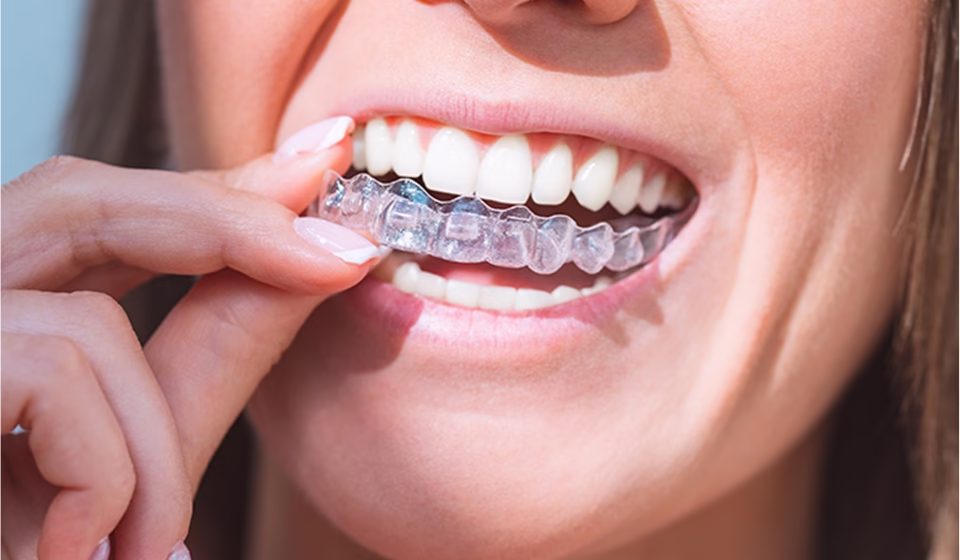
Clear aligners have changed the way people straighten their teeth by making orthodontic treatment more discreet and flexible. But success with aligners depends heavily on how well they are maintained every day. Patients using Invisalign in Coral Gables often see faster and more predictable results when aligner hygiene is consistent and correct. Aligners sit tightly against your teeth for most of the day, which means cleanliness is not optional; it is essential. Poor cleaning habits can lead to odor, staining, bacterial buildup, and even dental problems. The good news is that proper care is simple once you understand the system. With the right routine, your aligners stay clear, fresh, and effective.
Why Invisalign Cleaning Matters More Than You Think
Invisalign trays create a sealed environment around your teeth. That environment is ideal for tooth movement, but it can also trap bacteria and food particles if not cleaned properly. From an analytical standpoint, aligner hygiene directly affects both treatment efficiency and oral health risk.
When aligners are not cleaned correctly, patients may experience:
- Increased plaque buildup
- Bad breath
- Cloudy or yellow trays
- Higher cavity risk
- Gum irritation
- Staining that makes aligners more visible
Invisalign Daily Cleaning Routine That Works
Consistency beats intensity when it comes to aligner care. A simple daily system followed every day produces better outcomes than occasional deep cleaning.
A reliable The Invisalign cleaning routine includes:
- Rinsing aligners every time you remove them
- Brushing aligners gently at least twice daily
- Soaking aligners once per day
- Brushing and flossing teeth before reinserting
- Using lukewarm, never hot, water
Timing matters. Cleaning aligners morning and night aligns with your brushing schedule and improves compliance.
How to Brush Invisalign Aligners Safely
Brushing aligners is effective, but technique matters. Aggressive brushing or abrasive toothpaste can scratch the plastic. Scratches make trays more visible and create microscopic grooves where bacteria can hide.
Best practices for brushing Invisalign trays:
- Use a soft-bristle toothbrush.
- Use clear, gentle liquid soap or aligner cleaner.
- Avoid whitening toothpaste
- Brush lightly, not forcefully.
- Rinse thoroughly afterward
Invisalign Soaking Methods That Improve Hygiene
Soaking aligners helps remove biofilm that brushing alone may miss. Analytical hygiene studies show soaking improves bacterial reduction compared to brushing alone.
Effective soaking options include:
- Invisalign cleaning crystals
- Retainer cleaning tablets
- Dentist-approved aligner solutions
- Soak once daily
- Follow product timing instructions.
- Rinse thoroughly before wearing
- Never use bleach or harsh chemicals.
Soaking is preventive maintenance, not an optional luxury.
What Not to Use on Invisalign Aligners
Many common cleaning shortcuts actually damage aligners. Patients sometimes assume stronger cleaners equal better results, but that is incorrect.
Avoid using:
- Hot water (can warp trays)
- Toothpaste with grit
- Mouthwash with strong dyes
- Bleach or peroxide mixes
- Alcohol-based cleaners
- Dishwashers or boiling water
Heat distortion is especially dangerous because even slight warping can affect tooth movement accuracy.
Invisalign and Eating Rules That Protect Your Aligners
One of the biggest Invisalign advantages is removability, but it must be used correctly. Eating with aligners in place is one of the fastest ways to damage or stain them.
Always remove aligners before:
- Meals
- Snacks
- Coffee
- Tea
- Wine
- Colored beverages
Only plain water is considered safe with trays in. This rule protects both the plastic and your teeth.
Invisalign Stain Prevention Tips
Aligners can discolor if exposed to pigments and poor hygiene. Prevention is easier than restoration.
To reduce staining risk:
- Avoid colored drinks with trays in
- Clean trays immediately after removal
- Do not smoke or vape with trays.
- Rinse after every removal
- Soak daily
Stain control keeps aligners discreet, one of their main benefits.
Invisalign Care Mistakes That Slow Treatment
Aligner hygiene mistakes can actually delay progress. Warped or heavily coated trays do not fit correctly, which affects tooth movement.
Common mistakes include:
- Skipping cleanings
- Using hot water
- Wearing stained trays too long
- Not brushing before reinsertion
- Using abrasive cleaners
Invisalign Care and Professional Monitoring
Professional checkups remain important during aligner treatment. Dentists evaluate tray condition, hygiene effectiveness, and tooth response patterns. Adjustments are sometimes needed based on wear patterns or deposits.
Clinical monitoring helps:
- Verify tray fit
- Detect hygiene issues early
- Prevent enamel problems
- Maintain treatment timeline
Patients receiving Invisalign in Coral Gables benefit most when home care and professional oversight work together.
Invisalign Care Is Simple When It’s Systematic
The most successful patients treat aligner care like a checklist, not a guess. Systems create consistency, and consistency produces results.
A simple daily Invisalign system:
- Remove → Rinse → Store in case
- Brush teeth → Clean trays → Reinsert
- Soak once daily
- Avoid heat and color exposure
Repeatable systems outperform occasional deep cleaning.
Conclusion
Clear aligner treatment is only as effective as the care routine behind it. Clean trays move teeth more predictably, smell better, look clearer, and protect oral health throughout treatment. Small daily habits create major long-term results. When aligner hygiene is systematic, treatment stays on track and comfortable. Patients who follow structured cleaning routines experience fewer complications and better outcomes. Forma Dental in Coral Gables provides guided Invisalign care with detailed hygiene coaching so every patient can keep their aligners and their smile in top condition.
