

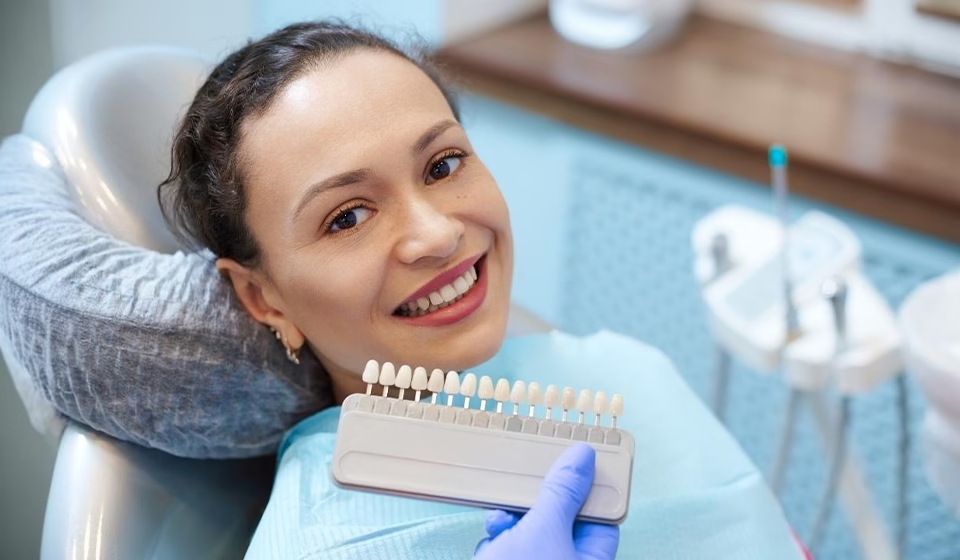
A confident smile is often the first thing people notice, and today’s cosmetic dentistry makes improving that smile more precise than ever. Dental veneers are one of the most advanced and reliable ways to enhance the appearance of teeth without aggressive treatment. Patients choose veneers to correct stains, chips, gaps, uneven shapes, and worn enamel. The modern veneer workflow is built on analysis, customization, and micro-precision. Dental veneers in Coral Gables are especially popular among patients who want dramatic yet natural-looking improvements. When designed correctly, veneers don’t look artificial; they blend seamlessly with your facial features and bite pattern. Understanding the veneer process helps explain why the results look so real.
Dental Veneer Fundamentals: Why Results Look So Natural
A dental veneer is a thin, custom-crafted shell bonded to the front surface of a tooth. While the concept sounds simple, the science behind natural-looking veneers is detailed and data-driven. Dentists analyze tooth color gradients, translucency, edge shape, gum symmetry, and smile line dynamics before creating a treatment plan.
Natural teeth are not flat white blocks; they reflect light in layers. High-quality veneers are designed to mimic:
- Light reflection patterns
- Surface texture and micro-contours
- Edge translucency
- Shade variation from gumline to tip
- Individual tooth anatomy
Dental Veneer Consultation and Smile Analysis
The veneer process begins with a structured diagnostic phase, not immediate drilling or placement. This is where natural-looking outcomes are engineered.
During consultation and assessment, dentists evaluate:
- Facial symmetry and lip movement
- Smile width and tooth visibility
- Bite alignment and jaw dynamics
- Existing enamel thickness
- Gum contour balance
Tooth Preparation in the Dental Veneer Process
Preparation is conservative and measured. Only a thin layer of enamel is reshaped to allow proper veneer fit. The goal is to preserve tooth structure while creating ideal bonding conditions.
Preparation is guided by:
- Veneer thickness requirements
- Bite pressure distribution
- Tooth alignment
- Final contour design
Dental Veneer Try-In and Precision Bonding
Before final placement, veneers are tried in for evaluation. This is a verification step—not a formality. Dentists check:
- Fit and margin seal
- Shade harmony
- Smile line alignment
- Bite contact points
- Speech comfort
Bonding is a multi-step adhesive protocol using dental-grade resin systems. Proper bonding affects:
- Longevity
- Color stability
- Edge blending
- Structural strength
Bite Calibration and Functional Balance
Natural-looking results are not only about appearance—they depend on function. Veneers must work with your bite, not against it.
Dentists perform bite calibration to ensure:
- Even pressure distribution
- Smooth chewing movement
- No premature contact points
- Reduced stress on veneer edges
Longevity Factors That Preserve Natural Appearance
Long-term realism depends on maintenance and habits. Veneers resist stains better than natural enamel, but care still matters.
Key longevity practices include:
- Using non-abrasive toothpaste
- Wearing night guards if you grind teeth
- Avoiding excessive bite force on hard items
- Maintaining routine dental cleanings
- Managing gum health
Healthy gums are especially important because gum recession can expose veneer margins and affect aesthetics.
With proper care, veneers can maintain their natural appearance for many years.
Dental Veneer Outcomes Are Designed, Not Accidental
Natural-looking veneer results are not luck-based; they are engineered through layered analysis, precision fabrication, and controlled placement. Every phase of the dental veneer workflow contributes to realism: consultation, digital modeling, preparation, shade science, lab artistry, and bonding technique.
When veneers are planned analytically and executed with experience, they enhance, not overpower, your smile. Patients gain improvements in symmetry, brightness, and balance without losing individuality.
Conclusion
If you are exploring veneer treatment and want results that look refined rather than artificial, a structured and evidence-driven veneer process makes the difference. Professional evaluation, modern materials, and precision protocols help deliver smiles that look naturally beautiful and function comfortably. For patients seeking detailed veneer care and customized smile planning, Forma Dental in Coral Gables provides advanced cosmetic solutions designed around natural aesthetics and long-term performance.

3 Responses