

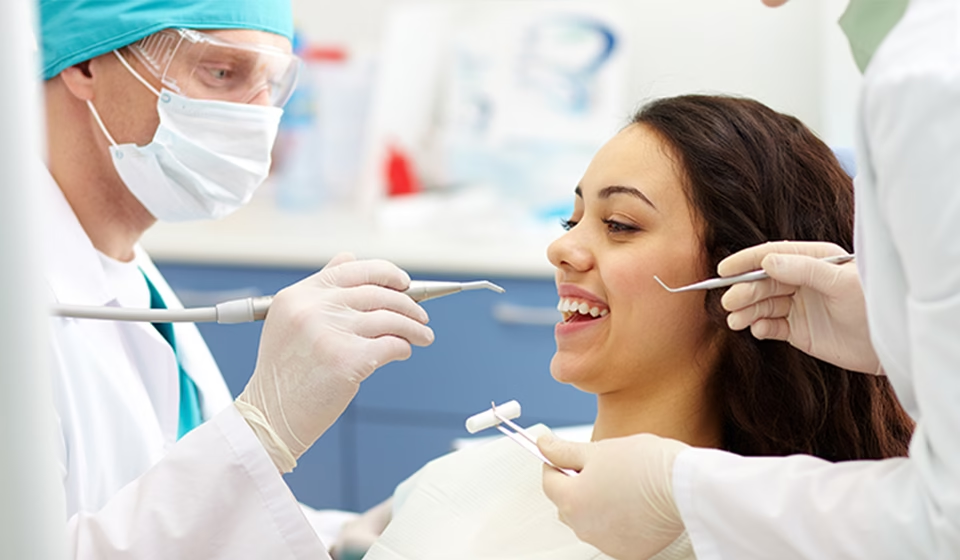
A balanced bite and a complete smile are not just cosmetic goals; they are essential to long-term oral health. Damaged, missing, or worn teeth can slowly affect how you chew, speak, and even how your jaw functions. Restorative dentistry in Coral Gables focuses on rebuilding tooth structure and correcting bite problems with modern, precise treatments. Today’s restorative solutions are designed to be durable, natural-looking, and highly functional. They do more than repair teeth; they restore performance and stability. With the right dental expertise, patients can regain both comfort and confidence. Strong teeth and a stable bite create the base for a healthier life.
Restorative Dentistry: What It Actually Fixes
Restorative dentistry focuses on diagnosing and repairing structural dental problems. These problems may come from decay, fractures, tooth loss, enamel wear, or failed old dental work. Instead of masking issues, restorative treatments correct the root mechanical and structural concerns
From an analytical perspective, restorative dentistry targets three functional areas:
- Tooth integrity
- Bite balance
- Load distribution during chewing
Common restorative treatments include:
- Tooth-colored fillings
- Dental crowns
- Bridges
- Inlays and onlays
- Dental implants
- Full and partial dentures
How Restorative Dentistry Improves Bite Function
Your bite is a coordinated system involving teeth, muscles, joints, and nerves. Even a small crack or missing tooth can disrupt this system. Patients often ignore early bite changes because they happen gradually, but the effects compound over time.
Restorative dentistry improves bite function by:
- Rebuilding worn chewing surfaces
- Replacing missing teeth that carry load
- Stabilizing tooth contacts
- Correcting uneven pressure points
- Supporting proper jaw alignment
Restorative Dentistry and Smile Aesthetics Work Together
Function and appearance are closely connected in modern dentistry. When a tooth is rebuilt correctly, it should look natural and perform well. Restorative dentistry uses advanced materials that mimic real enamel in both color and light reflection.
Modern restorations are designed to:
- Match surrounding tooth shade
- Reflect light naturally
- Preserve natural contours
- Blend with gum lines
- Maintain smile symmetry
Restorative Dentistry Treatments and Their Roles
Different dental problems require different restorative strategies. Treatment planning is based on damage severity, tooth location, bite force, and long-term prognosis.
They help:
- Seal decay
- Restore shape
- Prevent further breakdown
- Maintain bite contact
Crowns are full-coverage restorations placed over weakened teeth. They are used when structural loss is too great for a filling.
Crowns provide:
- Full structural reinforcement
- Fracture resistance
- Bite surface rebuilding
- Long-term durability
Bridges replace one or more missing teeth by anchoring to neighboring teeth or implants.
They restore:
- Bite continuity
- Chewing efficiency
- Tooth spacing stability
- Smile completeness
Implants replace both tooth root and crown. They are one of the most biomechanically stable restorative options.
They help maintain:
- Jawbone stimulation
- Independent bite support
- Natural force transfer
- Long-term structural balance
Restorative Dentistry and Long-Term Oral Stability
Unrestored dental damage rarely stays isolated. Small chips become fractures. Minor decay becomes deep infection. A missing tooth leads to shifting and overload elsewhere.
Restorative dentistry acts as an early- and mid-stage intervention system. It protects the overall oral environment by stabilizing weak points before they cause systemic problems.
Key preventive effects include:
- Reduced risk of tooth migration
- Lower chance of gum inflammation
- Protection against uneven wear
- Stabilized chewing patterns
- Better hygiene access
Restorative Dentistry and Daily Quality of Life
Patients often underestimate how much dental damage affects daily living. Poor bite function changes food choices, slows chewing, and affects nutrition. Tooth pain changes speech and mood. Smile concerns change behavior.
After proper restorative treatment, many patients report:
- More comfortable eating
- Clearer speech
- Reduced sensitivity
- Better confidence in social settings
- Less jaw fatigue
These are measurable quality-of-life improvements, not just cosmetic upgrades.
Take the Next Step Toward a Stronger Bite and Healthier Smile
A damaged or incomplete smile does not repair itself—but modern restorative solutions can rebuild it with precision and durability. Restorative dentistry combines structural science with aesthetic design to improve how your teeth function and how your smile looks. Early evaluation and timely treatment prevent small problems from becoming complex ones.
A comprehensive assessment and personalized treatment plan can map out the most efficient path to bite stability and smile restoration. The experienced clinical team at Forma Dental in Coral Gables delivers advanced restorative solutions using modern diagnostics, proven materials, and patient-focused care—helping you regain strength, balance, and confidence in your smile.
