

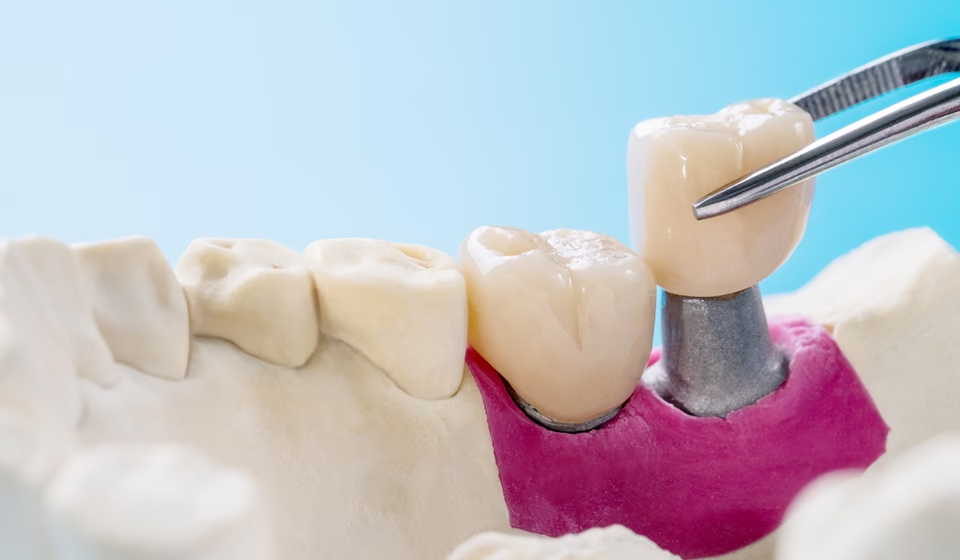
Dental crowns are one of the most reliable solutions in modern dentistry for restoring damaged or weakened teeth. They are designed to protect, strengthen, and enhance teeth that can no longer function properly on their own. Many patients begin researching restorative options when pain, cracks, or cosmetic concerns arise. Dental crowns in Coral Gables are often explored by individuals who want a long-lasting solution that balances durability with aesthetics. When placed correctly, crowns can restore both confidence and comfort. Understanding how they work empowers patients to make informed decisions about their oral health. This guide breaks down everything you need to know about dental crowns in a clear, engaging, and analytical way.
Dental Crowns and Their Role in Restorative Dentistry
Dental crowns are custom-made caps that fully cover a tooth above the gum line. Their primary role is to restore the tooth’s shape, size, and strength while protecting it from further damage. From a structural standpoint, crowns redistribute chewing forces evenly, preventing fractures and wear.
Dentists recommend crowns when a tooth is compromised but still salvageable. Instead of extracting the tooth, a crown allows it to remain functional for years. This conservative approach supports overall oral health and jaw stability.
Dental Crowns and Common Dental Problems They Address
Dental crowns are highly versatile and are used to manage several conditions, including:
- Large cavities that weaken tooth structure
- Cracked or fractured teeth
- Teeth after root canal treatment
- Severe tooth wear from grinding
- Misshapen or discolored teeth
Each case is evaluated carefully to ensure a crown is the most effective solution.
Dental Crowns and the Materials Used Today
The effectiveness of dental crowns depends heavily on material selection. Modern dentistry offers a range of materials designed to meet different functional and aesthetic needs.
Types of Dental Crowns and Their Benefits
Common crown materials include:
- Porcelain crowns for natural appearance
- Porcelain-fused-to-metal crowns for strength and aesthetics
- Metal crowns for durability in back teeth
- Zirconia crowns for a balance of toughness and beauty
From an analytical perspective, the choice of material affects longevity, appearance, and how the crown interacts with surrounding teeth. Dentists consider bite force, tooth location, and patient preferences before recommending a material.
Dental Crowns and the Treatment Process Explained
Understanding the crown procedure helps patients feel more confident and prepared. The process is methodical and focused on precision.
Examination and Tooth Preparation
The journey begins with a thorough exam, including imaging to assess the tooth and surrounding structures. Any decay or infection is treated first. The tooth is then reshaped to create space for the crown without compromising bite alignment.
Impressions and Temporary Coverage
After preparation, impressions or digital scans are taken to ensure the crown fits perfectly. A temporary crown is placed to protect the tooth while the permanent one is crafted. This step maintains comfort and function during the waiting period.
Final Placement and Bite Adjustment
Once the permanent crown is ready, it is carefully fitted and bonded. Dentists make precise adjustments to ensure a comfortable bite and natural appearance. Proper placement is essential for long-term success.
Dental Crowns and Their Functional Advantages
Dental crowns do more than improve appearance; they restore everyday function. A crowned tooth can handle chewing forces effectively and support proper speech.
Key functional benefits include:
- Protection against further decay
- Improved chewing efficiency
- Stabilization of surrounding teeth
- Reduced sensitivity
Analytically, crowns help maintain balanced forces across the mouth, reducing strain on adjacent teeth and the jaw.
Dental Crowns and Aesthetic Enhancement
Modern crowns are designed to blend seamlessly with natural teeth. Advanced materials mimic enamel translucency and color, making crowns nearly indistinguishable. Patients seeking dental crowns in Coral Gables often appreciate how crowns restore symmetry and brightness to their smile. A well-designed crown enhances confidence without appearing artificial.
Dental Crowns and Smile Harmony
Dentists evaluate facial proportions, tooth alignment, and gum contours when designing crowns. This attention to detail ensures the final result complements the entire smile, not just a single tooth.
Dental Crowns and Longevity Expectations
Dental crowns are built to last, but their lifespan depends on care and habits. With proper maintenance, many crowns last well over a decade.
To extend crown longevity, patients should:
- Brush twice daily with a soft toothbrush
- Floss around crown edges carefully
- Avoid chewing hard objects like ice.
- Attend regular dental checkups
From an analytical standpoint, routine monitoring allows early detection of wear or minor issues before they escalate.
Conclusion
Dental crowns offer a powerful combination of protection, function, and aesthetics. They restore damaged teeth, enhance smiles, and support long-term oral stability. When thoughtfully planned and properly maintained, crowns can significantly improve daily comfort and confidence. For patients seeking dependable restorative solutions, understanding how crowns work is the first step toward lasting results. At Forma Dental in Coral Gables, this commitment to education and patient-focused care reflects a deeper vision of healthy, confident smiles for every stage of life.
