

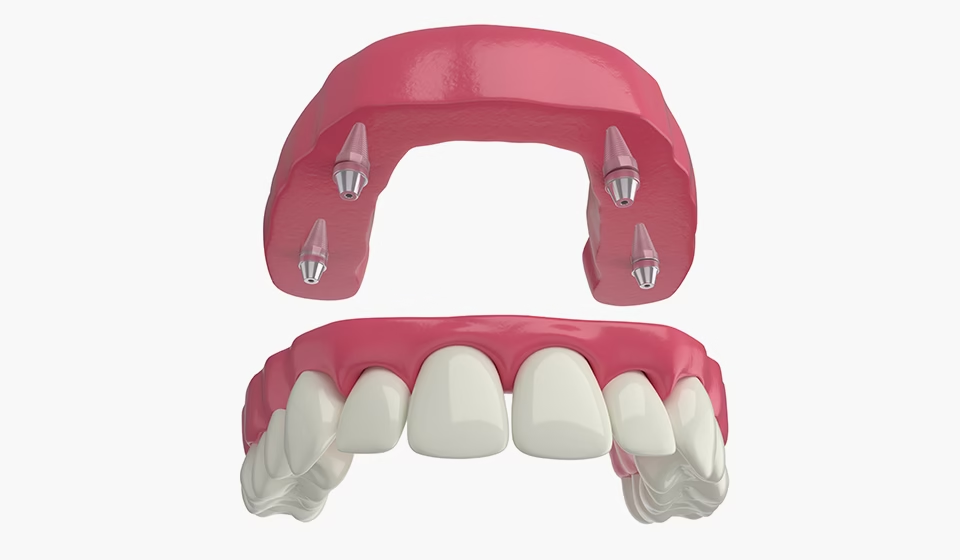
Dental implants have become one of the most advanced and trusted solutions for replacing missing teeth. They are designed to restore not just appearance, but also strength, stability, and everyday comfort. Dental implants in Coral Gables are often explored by individuals who want a long-term option that feels and functions like natural teeth. Tooth loss affects far more than a smile; it impacts chewing efficiency, speech, jaw health, and confidence. Implants address these concerns at their root rather than masking the problem. When planned correctly, they offer predictable and lasting results. This guide breaks down five essential things you should know before considering dental implants.
Dental Implants and How They Work
Dental implants are small titanium posts placed into the jawbone to replace missing tooth roots. Over time, the implant bonds with the bone through a process called osseointegration. This creates a stable foundation for crowns, bridges, or dentures.
From an analytical perspective, implants differ from traditional tooth replacement options because they interact directly with bone. Instead of relying on neighboring teeth or gums for support, implants function independently. This design closely mimics natural tooth structure.
Dental Implants as a Structural Solution
Dental implants restore the full anatomy of a tooth, including the root. This provides benefits such as:
- Strong biting and chewing ability
- Improved stability compared to removable options
- Reduced stress on surrounding teeth
- Preservation of jawbone structure
Understanding this foundation helps patients see why implants are considered a gold standard in tooth replacement.
Dental Implants Thing #1: Bone Health Matters More Than You Think
One of the most important factors in implant success is jawbone health. Dental implants require sufficient bone density to remain stable over time. Without adequate bone, the implant may not integrate properly.
Bone loss often occurs after tooth loss due to a lack of stimulation. Dental implants help stop this process, but initial bone levels must be evaluated carefully.
Dental Implants and Bone Assessment
Dentists use imaging tools to assess:
- Bone height and width
- Bone density
- Location of nerves and sinuses
If bone loss is present, additional procedures may be recommended to prepare the site. This analytical approach ensures long-term stability rather than short-term fixes.
Dental Implants Thing #2: They Are a Long-Term Investment
Dental implants are designed to last for many years, often decades, with proper care. While the initial process may take longer than other options, the long-term benefits are significant.
From a cost-benefit standpoint, implants often reduce the need for repeated replacements or repairs. They also protect surrounding teeth from shifting or excessive wear.
Dental Implants and Daily Function
Implants allow patients to:
- Eat a wider variety of foods
- Speak clearly without worry
- Smile confidently in social settings
This level of functionality contributes to the overall quality of life, making implants more than a cosmetic choice.
Dental Implants Thing #3: The Process Is Step-by-Step, Not Instant
Dental implant treatment is a carefully planned process that prioritizes healing and precision. It is not a same-day shortcut but a structured journey designed for long-term success.
Dental Implants and the Treatment Timeline
The typical implant process includes:
- Comprehensive evaluation and planning
- Implant placement into the jawbone
- Healing and integration period
- Placement of the final restoration
Each phase plays a critical role. From an analytical perspective, allowing proper healing reduces complications and increases success rates.
Dental Implants Thing #4: Oral Hygiene Still Matters
A common misconception is that dental implants are immune to oral health issues. While implants cannot decay like natural teeth, the surrounding gums and bone still require care.
Poor hygiene can lead to inflammation around implants, compromising stability. Preventive care remains essential.
Dental Implants and Maintenance Habits
To protect implants, patients should:
- Brush twice daily
- Floss carefully around implant areas
- Attend regular dental checkups
- Address grinding or clenching habits
Consistent care ensures implants remain healthy and functional for years.
Dental Implants Thing #5: They Support Overall Oral Health
Dental implants do more than replace missing teeth—they help maintain balance across the entire mouth. When a tooth is missing, nearby teeth may shift, and bite alignment can change.
Implants prevent these changes by filling the gap permanently. This stabilizes the bite and reduces uneven pressure. Patients researching dental implants in Coral Gables often discover that implants protect long-term oral health, not just appearance.
Dental Implants and Facial Structure
Missing teeth can lead to facial collapse over time due to bone loss. Implants help maintain natural facial contours by preserving bone and supporting facial muscles. This contributes to a more youthful appearance.
Dental Implants and Emotional Confidence
Conclusion
Dental implants offer a powerful combination of stability, function, and confidence. By replacing missing teeth at the root level, they support long-term oral health and daily comfort. Understanding the key factors involved, from bone health to maintenance, helps patients make informed, confident choices. When thoughtfully planned and properly maintained, dental implants can truly transform the quality of life. At Forma Dental in Coral Gables, this focus on education, precision, and patient-centered care reflects a commitment to strong, healthy smiles that last.

4 Responses