Missing teeth can impact more than just your appearance. They can affect how you eat, speak, and feel about yourself in everyday situations. Over time, gaps in your smile may also lead to shifting teeth and changes in facial structure. This is why many people start exploring long-term solutions that restore both function and confidence.
Dental implants in Coral Gables have become one of the most recommended options for replacing missing teeth. They are designed to look, feel, and function like natural teeth, making them an appealing choice for those seeking a permanent solution. However, the question remains: are dental implants truly worth the investment? Understanding their benefits, along with expert insights, can help in making an informed decision.
What are dental implants, and how do they work?
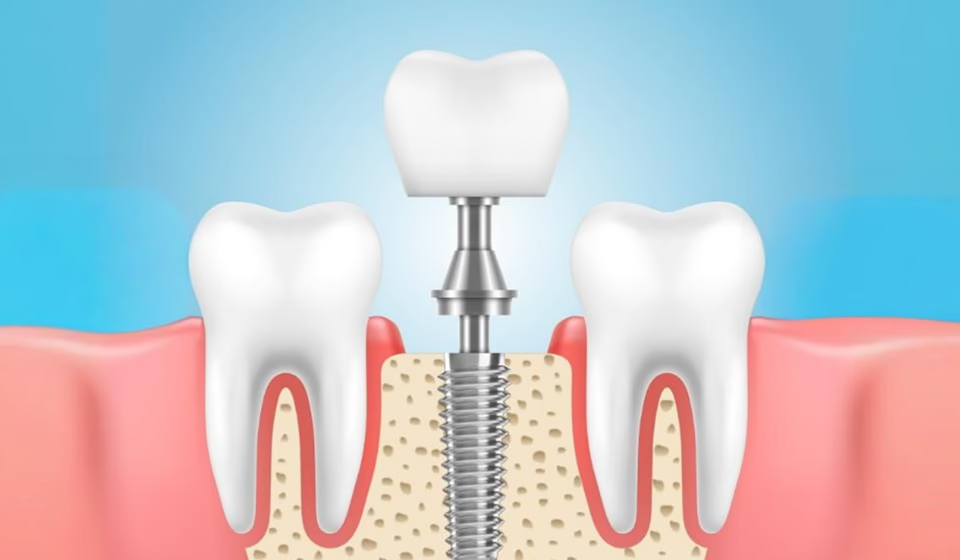
Dental implants are a reliable and long-lasting solution for replacing missing teeth. They consist of a small post placed in the jawbone that supports a custom-made crown designed to look like a natural tooth.
Unlike traditional options, implants provide strong stability, help maintain jawbone structure, and restore normal chewing and speaking function, making them a highly effective and natural-looking tooth replacement option.
Key benefits of dental implants
Natural look and feel
One of the biggest advantages of dental implants is how natural they appear. They are crafted to blend perfectly with your existing teeth, making them virtually indistinguishable. Beyond aesthetics, implants feel comfortable and function like real teeth, allowing you to smile and speak with confidence.
Long-term durability
Dental implants are known for their longevity. With proper care, they can last for decades, making them one of the most durable tooth replacement options available. While other solutions may require frequent replacements or adjustments, implants offer a more permanent approach.
Prevents bone loss and maintains facial structure
When a tooth is lost, the underlying jawbone begins to deteriorate over time due to a lack of stimulation. Dental implants help prevent this by acting like natural tooth roots, stimulating the bone and preserving its density. This not only maintains oral health but also helps retain your natural facial shape.
Improved functionality
Unlike removable dentures, dental implants provide a stable and secure fit. This allows you to chew a wide variety of foods without discomfort or restriction. They also improve speech clarity, as there is no risk of slipping or movement.
Protects surrounding teeth
Dental implants do not rely on adjacent teeth for support, unlike traditional bridges. This helps preserve the integrity of surrounding teeth and prevents unnecessary wear or damage. Additionally, implants help maintain proper alignment by filling gaps that could otherwise cause shifting.
Who is a good candidate for dental implants?
A good candidate for dental implants typically has healthy gums and sufficient jawbone density to support the implant. Good oral hygiene habits are essential for the long-term success of the procedure.
Lifestyle factors can also play a role. For example, smoking may affect healing and increase the risk of complications. Individuals who are committed to maintaining their oral health and following professional advice are more likely to achieve successful outcomes.
Expert tips before getting dental implants
Choose an experienced professional
Selecting a qualified and experienced dental professional is essential for achieving successful and long-lasting results. Expertise and precision play a significant role in the success of the procedure, so it is worth taking the time to research and choose wisely.
For trusted care and advanced treatment solutions,
Forma Dental in Coral Gables offers a team of experienced professionals dedicated to delivering high-quality results.
Understand the full treatment plan
Before beginning treatment, it is important to have a clear understanding of the overall plan, including the expected timeline, total cost, and outcome. Being well-informed helps set realistic expectations and allows for better preparation at every stage.
Maintain excellent oral hygiene
Consistent oral care plays a vital role in the success of dental implants. Brushing twice daily, flossing regularly, and attending routine dental checkups help prevent complications and support long-term results.
Be patient with the healing process
Allowing adequate time for recovery is essential for achieving strong and stable results. Following professional recommendations during this period helps ensure proper support and durability over time.
Ask about the materials and technology used
Modern advancements in dental technology have significantly improved comfort, precision, and success rates. Understanding the materials and techniques being used provides valuable insight into the quality and reliability of the treatment.
Conclusion
Dental implants are widely considered one of the most effective solutions for replacing missing teeth. They offer a combination of durability, functionality, and natural appearance that is difficult to match with other options.
While the initial cost and time commitment may seem significant, the long-term benefits often outweigh these factors. For many individuals, dental implants provide not only a restored smile but also improved confidence and quality of life. Ultimately, the decision comes down to your personal needs, goals, and overall oral health.
Frequently asked questions
Are dental implants painful?
Most patients experience minimal discomfort during the procedure because anesthesia is used. Mild soreness after the procedure is common but typically manageable and temporary.
Are dental implants safe?
Dental implants are considered a safe and well-established treatment. When performed by a qualified professional, the procedure has a high success rate.
What is the recovery time for dental implants?
Recovery time can vary by case. Initial healing may take a few days, while full integration with the jawbone can take several months.
Who is not a good candidate for dental implants?
Individuals with poor oral health, insufficient bone density, or certain medical conditions may not be ideal candidates. A professional evaluation is necessary to determine suitability.
How should dental implants be maintained?
Dental implants should be cared for like natural teeth. Regular brushing, flossing, and routine dental visits are essential for maintaining their longevity.