

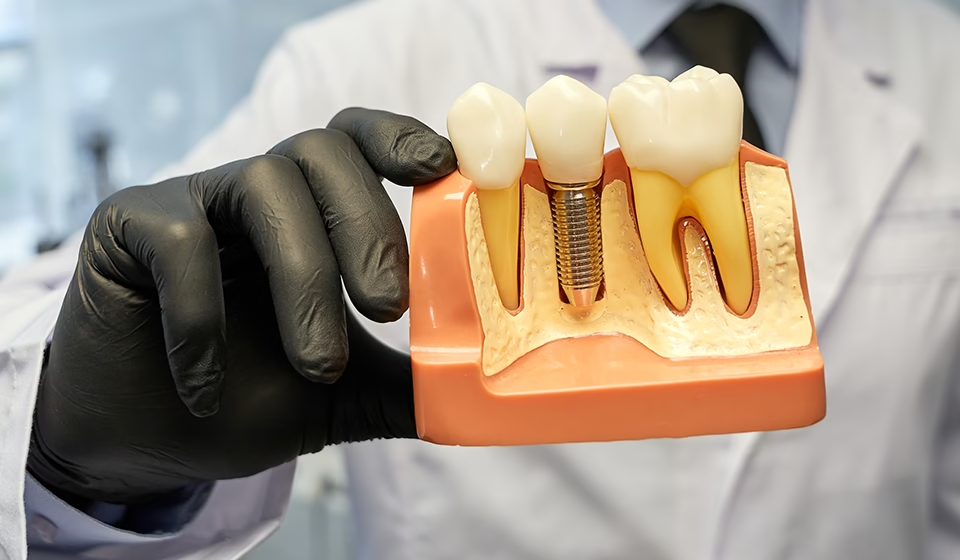
Dental implants are among the most reliable and long-lasting ways to replace missing teeth and protect your oral health. Modern implant dentistry combines dental implant precision, comfort, and durability for patients of all ages. Many people exploring dental implants in Coral Gables want to know not just about the procedure but also what happens afterward. Recovery plays a major role in how successful and comfortable your implant journey will be. Healing is not complicated, but it does require the right habits and professional guidance. With proper aftercare, most patients return to normal routines quickly. Understanding the healing process helps you stay confident and in control from day one.
Understanding the Healing Process After Dental Implants
Dental implant recovery happens in stages, and each stage supports long-term success. After the implant post is placed into the jawbone, your body begins a natural process called osseointegration, where bone bonds to the implant surface. This creates the strong, stable base that makes implants feel like natural teeth.
In the first 24–72 hours, mild swelling, tenderness, and minor bleeding are normal. Within the first week, gum tissue begins to close and stabilize around the implant site. Over the next several weeks and months, bone integration continues beneath the surface.
Healing speed depends on:
- Bone quality and density
- Overall health and immune response
- Smoking status
- Oral hygiene habits
- Following post-procedure instructions
- Surgical precision and planning
First 48 Hours After Dental Implants: Critical Care Window
The first two days after dental implant placement are the most important for managing inflammation and protecting the surgical site. What you do during this period directly affects comfort and healing speed.
Focus on protection and rest.
Key immediate care tips include:
- Bite gently on gauze as instructed to control bleeding
- Use cold compresses on the outside of your cheek (15 minutes on/off).
- Keep your head slightly elevated while resting.
- Avoid touching the implant area with your tongue or fingers.
- Do not rinse vigorously for the first 24 hours.
- Take prescribed medications exactly as directed.
Early, small protective actions can significantly reduce swelling and discomfort later.
Smart Eating Guidelines After Dental Implants
Food choices matter more than most patients expect. The right diet reduces irritation and supports tissue repair after dental implant surgery.
Stick to soft, nutrient-rich foods during early recovery. Avoid pressure on the implant site until cleared by your dentist. The best foods after dental implants include:
- Yogurt and smoothies
- Mashed vegetables
- Scrambled eggs
- Oatmeal
- Soft fish
- Soup (lukewarm, not hot)
- Protein shakes
- Crunchy snacks
- Sticky foods
- Hard bread or crust
- Nuts and seeds
- Very hot foods and drinks
- Alcohol in early healing
Oral Hygiene After Dental Implants: Clean but Gentle
Keeping your mouth clean is essential after dental implant placement—but technique matters. Aggressive brushing or rinsing too soon can disrupt healing tissue.
Follow a gentle but consistent hygiene routine:
- Use a soft-bristled toothbrush.
- Avoid brushing directly on the surgical site initially.
- Use the prescribed antimicrobial rinse if provided
- After 24 hours, rinse gently with warm saltwater.
- Keep surrounding teeth clean to reduce bacteria
Patients who maintain careful hygiene after dental implants experience fewer complications and faster tissue recovery.
Warning Signs to Watch for After Dental Implants
Most dental implants heal smoothly, but patients should know what is normal and what is not. Early detection prevents bigger issues.
Contact your dental team if you notice:
- Persistent or heavy bleeding
- Severe or increasing pain after several days
- Swelling that worsens instead of improves
- Pus or unusual discharge
- Fever
- Implant feeling loose
Professional monitoring ensures your dental implants remain stable and successful.
How Lifestyle Choices Affect Dental Implant Recovery
Healing is not just about what happens in the dental chair. Your daily habits strongly influence dental implant success.
Smoking is one of the biggest risk factors for delayed healing and implant failure. It restricts blood flow and slows bone integration. Patients who pause smoking during recovery see dramatically better outcomes.
Other helpful lifestyle choices include:
- Getting adequate sleep
- Eating high-protein foods
- Managing blood sugar levels
- Reducing stress
- Following medication schedules
Dental implants thrive in a healthy biological environment.
Long-Term Care After Dental Implants Heal
Healing doesn’t end when discomfort fades. Long-term maintenance protects your dental implant investment.
Ongoing care includes:
- Regular professional cleanings
- Routine implant evaluations
- Night guards if you grind teeth
- Excellent daily brushing and flossing
- Avoiding harmful habits like chewing ice
Dental implants can last decades when supported by consistent preventive care.
Your Recovery Journey Matters
Dental implants are not just a tooth replacement, they are a structural and functional upgrade for your smile. Our experienced clinical team treats every age group with customized implant strategies and attentive monitoring. Patients benefit from advanced techniques, clear guidance, and supportive aftercare throughout the process. If you are planning implant treatment, trust the experienced hands at Forma Dental in Coral Gables to guide your recovery with precision and care.

18 Responses